In this article

What to know
- The semaglutide trial was small and short.
- Not every reported drinking outcome improved.
- Observational diagnosis associations do not prove a treatment effect.
A signal worth studying is not yet a complete treatment answer
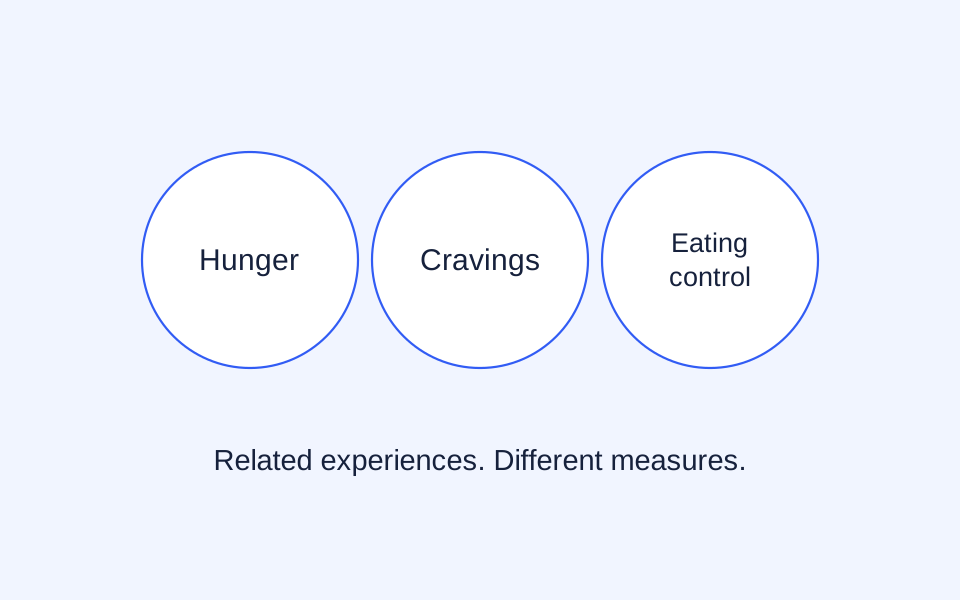
Semaglutide has early randomized evidence for reducing some drinking outcomes in adults with alcohol use disorder. The most useful interpretation is specific: a short phase 2 study found a signal in laboratory drinking and several secondary measures, while other measures did not improve. [1] That deserves attention without becoming a claim that any GLP-1 prescription treats addiction. Alcohol use, appetite and body weight can overlap in a person’s experience, but they remain different clinical questions. A treatment chosen for weight management should not quietly become the assumed answer to drinking concerns because a person notices less desire to drink.
The trial involved 48 people over nine weeks
The randomized double-blind study enrolled 48 adults with alcohol use disorder who were not seeking treatment. Semaglutide was given weekly at 0.25 mg for four weeks, 0.5 mg for four weeks and 1.0 mg for one week, versus placebo. The primary laboratory assessment followed the 0.5 mg stage. Semaglutide reduced alcohol consumed in that task and peak breath alcohol concentration. [1] This regimen describes the experiment, not a recommended treatment schedule. A laboratory result under observation is a controlled starting point; it is not equivalent to sustained recovery, fewer hospitalizations or a safe plan for someone at risk of withdrawal.
Some everyday outcomes changed and some did not
The study reported fewer drinks per drinking day and lower weekly craving with semaglutide, but no significant effect on average drinks per calendar day or the number of drinking days. [1] Those distinctions should stay in the headline interpretation. A person can drink less on drinking occasions without having more alcohol-free days. Small trials also cannot settle uncommon harms or durability after treatment stops. A useful next study would examine meaningful longer-term outcomes in a larger population, including people actively seeking care. The present result is encouraging precisely because it creates a testable clinical question, rather than because every drinking measure moved in the same direction.
A different GLP-1 trial had a negative primary result
A 26-week randomized trial of exenatide 2 mg injected subcutaneously once weekly enrolled 127 treatment-seeking adults and provided cognitive-behavioral therapy in both groups. The primary outcome, heavy-drinking days, did not significantly improve with exenatide versus placebo. Some brain-imaging and subgroup findings generated further hypotheses. [2] This does not cancel the semaglutide result, because the medicine, participants and design differ. It does prevent a shortcut from one positive study to a guaranteed class effect. Changes in an imaging response or an exploratory subgroup are not substitutes for a positive primary clinical endpoint. Keep that hierarchy visible when several outcomes are presented together.
The difference between a reported experience and a defined trial endpoint also matters in our article on Food noise and the limits of symptom-based claims.
Large records studies add scale, not random assignment
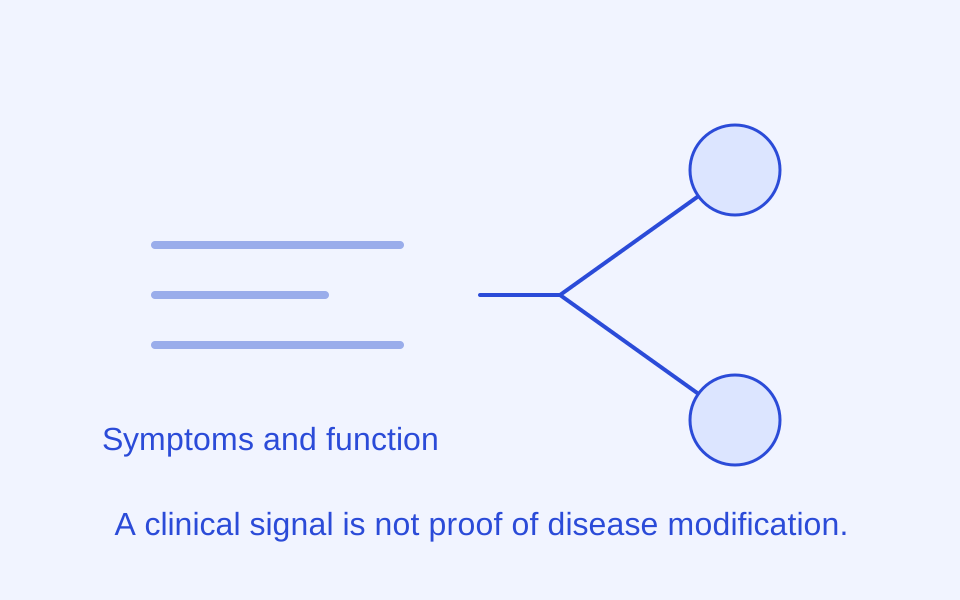
A retrospective analysis of electronic health records included 83,825 patients with obesity and found semaglutide associated with lower incidence and recurrence of alcohol-use-disorder diagnoses than other anti-obesity medications over twelve months. [3] That is an association, not proof that the medicine caused the difference. Prescribing patterns, healthcare contact and unmeasured differences between patients can influence both treatment choice and diagnosis. A large sample narrows some statistical uncertainty without removing those design limitations. It helps explain why randomized trials are worth doing, while remaining a different form of evidence from assigning comparable participants to treatment or placebo.
Craving, drinking and recovery are not one endpoint
Reduced craving may be welcome to a person who experiences it, but craving, the amount consumed on one occasion and longer-term recovery are different outcomes. A convincing treatment program would need to show how benefits persist and what happens outside the laboratory, including among people whose medical and social circumstances are more complicated. This is why a promising short experiment should lead to better questions rather than a universal recommendation. A report can be hopeful while keeping its claims narrow. For the reader, noting a change honestly and discussing it with the treating team is more useful than assuming that a quieter desire to drink means all alcohol-related risks have been resolved.
Safety and withdrawal need a separate care conversation
A trial about reduced consumption does not establish that a person with substantial alcohol dependence can safely stop drinking without clinical help. Likewise, a short experimental semaglutide regimen does not establish the full balance of benefits and harms for alcohol-use-disorder treatment. The practical implication is to discuss drinking honestly with the treating clinician, including other medicines, nutrition and any history of withdrawal. Do not conceal alcohol use to qualify for a weight-loss program or change a prescription to try to reproduce a research finding. A coherent plan addresses both conditions and makes clear who is responsible for follow-up.
What this evidence can change today
The evidence can make a conversation about GLP-1 treatment and changes in drinking more informed. It cannot tell a reader which online weight-care service provides effective addiction treatment, because these studies did not compare commercial clinics. If a service is being considered for an appropriate weight-management indication, judge its prescribing, communication and cost on those terms. Discuss alcohol-specific care separately with a qualified professional and ask how the plans will be coordinated. A promising scientific direction does not need to be oversold to matter. Its value lies in a clearer next research question and a more honest consultation about the person’s actual needs.
If you are comparing support services, see our Form Health review.
Sources
Research describes groups and specific study conditions. Your medical history, symptoms and treatment decisions require advice from your own qualified clinician.