In this article

What to know
- Zepbound trial groups reported hair loss more often than placebo.
- Wegovy injection results apply to the formulation and population studied.
- A clinician can assess what the timing and pattern of shedding suggest.
How often did people report hair loss on Zepbound?
In two pooled weight-reduction trials, hair loss was reported in 5% of participants assigned to Zepbound 5 mg, 4% at 10 mg and 5% at 15 mg, compared with 1% on placebo. The label also reports rates by sex. In the pooled Zepbound groups, the rates were 7.1% for female participants and 0.5% for male participants. In the placebo group they were 1.3% and 0%, respectively. These adult trials included people with obesity or overweight, with or without type 2 diabetes; treatment lasted up to 72 weeks, followed by four weeks off drug. [1]
These figures come from the adverse-reaction section of the label. They describe people who reported hair loss during the studies. They cannot forecast whether shedding will occur, how long it will last or whether every case had the same cause.
What did the Wegovy injection trials show?
The Wegovy label reports hair loss in 3.3% of people who received the 2.4 mg injection and 1% of those who received placebo in a pooled analysis of three trials. The adult injection pool was followed for up to 68 weeks, with seven weeks off drug. The label also reports separate findings for other study groups. Use the exact formulation and study population when reading a figure, especially if the treatment under discussion is a tablet. [2]
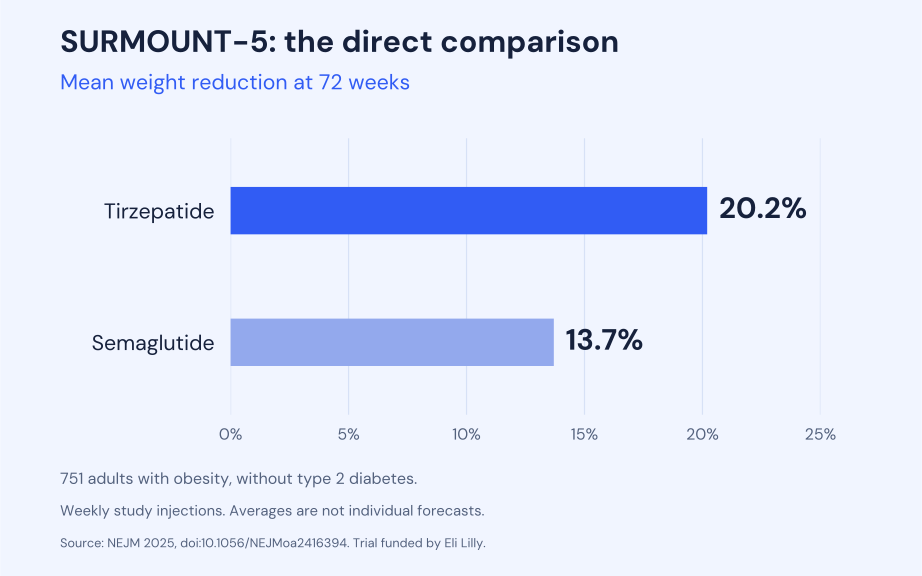
The pooled results come from different sets of trials. Comparing those numbers by subtraction would not establish which product is more likely to cause hair loss for an individual. The Wegovy versus Zepbound trial guide explains what a direct comparison can answer about weight outcomes. Keep that question separate from whether the drugs differ in hair-loss risk.
Why weight changes are part of the conversation
Both prescribing labels report an association between hair loss and weight reduction in the injection trials. The American Academy of Dermatology also identifies substantial weight loss as one possible trigger for excessive shedding, which clinicians may call telogen effluvium. The label figures cannot determine how much of the observed difference reflects the medicine, the weight change or other factors. [1] [2] [3]
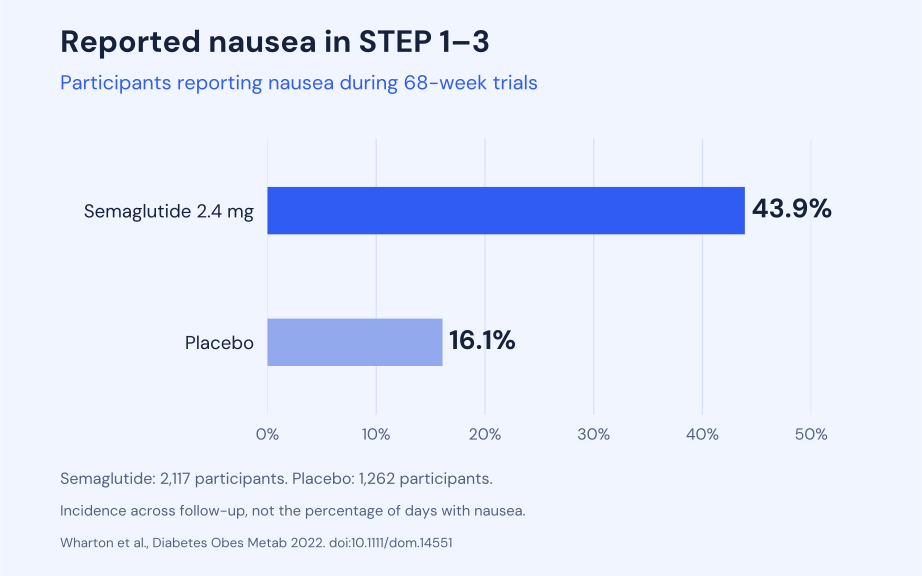
In the semaglutide nausea trials, the placebo comparison helps put symptom reports in context. The same reading habit applies here. A group-level rate can help you frame a question, but it cannot tell you what is causing a particular change.
What to bring to a clinician
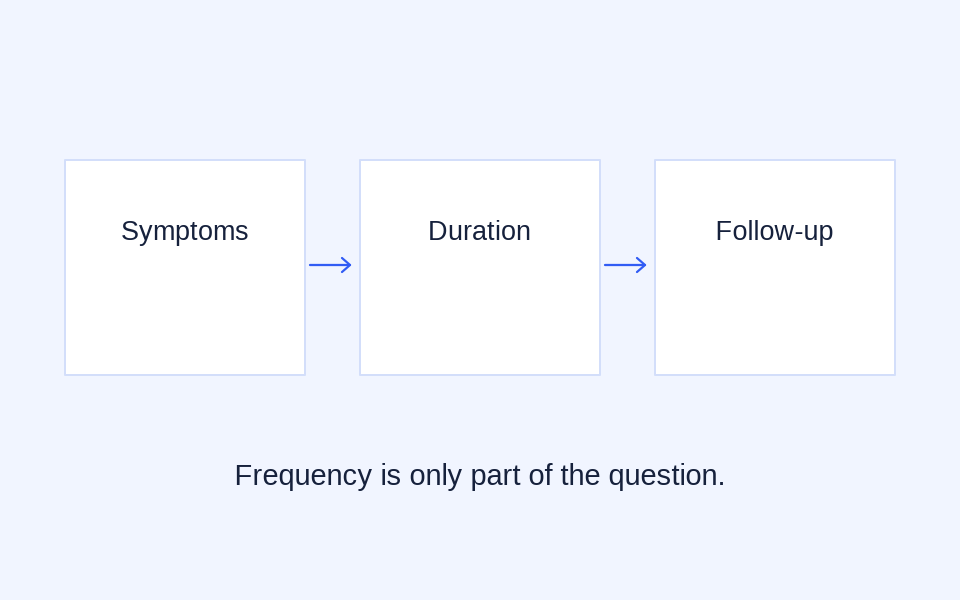
Tell the prescriber when the change began, whether the shedding is widespread or patchy and what else changed around the same time. A timeline can include medication changes, weight changes and recent illness. A dermatologist can help distinguish excessive shedding from other forms of hair loss. Bring your medication list if more than one clinician is involved. [1] [3]
If you are considering changing treatment because of shedding, ask the prescriber to assess the symptom alongside your reasons for using the medication. The percentages above do not establish a reason to change or stop a prescription on your own.
Sources
Research describes groups and specific study conditions. Your medical history, symptoms and treatment decisions require advice from your own qualified clinician.