In this article
What to know
- Identify the exact product rather than the marketing category.
- Match the study to the finished product and route.
- Discuss supplements separately from a prescription plan.
Name what is being sold
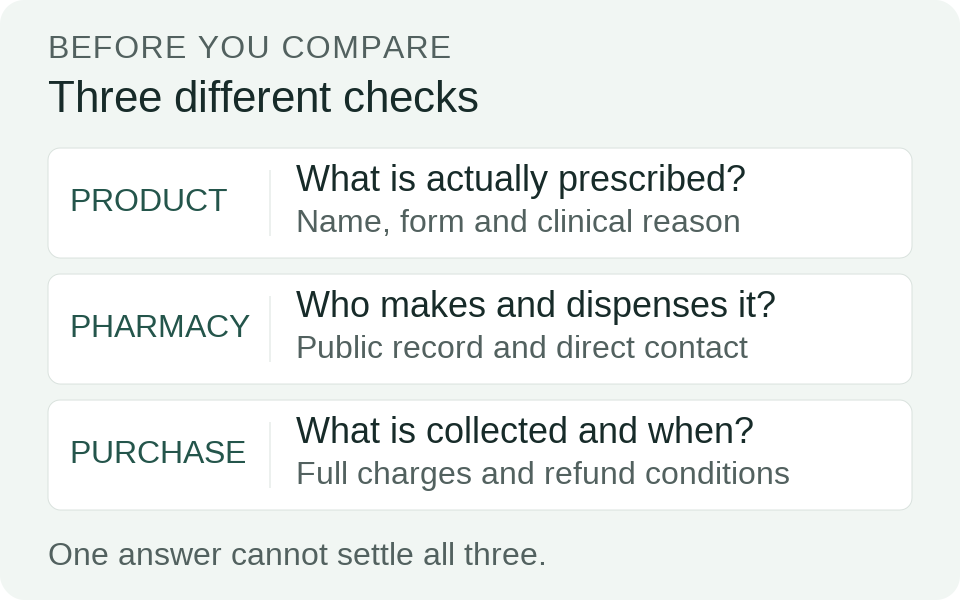
A “GLP-1 patch” or “booster” slogan leaves important questions unanswered. What is the actual product, what does its label list and what effect is being promised? Start with those questions before comparing a retail offer with a prescription treatment. A familiar phrase does not identify the proposed purchase.
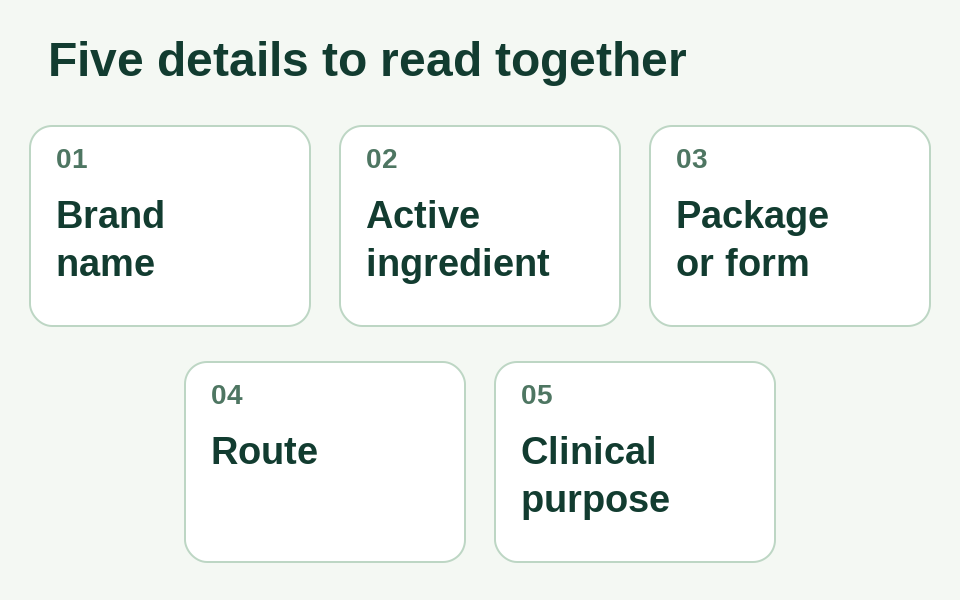
Start with the brand, ingredient and finished product in the medicine-name guide, then copy the names from the full package. Keep a photograph of the label and the seller’s exact claim. A slogan without those details needs clarification before you compare strengths, supplies or results.
What the website inventory measured
An editorial published online January 2, 2026 reported a website search conducted from May to September 2025. White and colleagues identified 24 patches and one gel advertised as “GLP-1” products. None of those 25 listings named semaglutide, tirzepatide or another FDA-approved GLP-1 drug as an active ingredient. [1] These were website observations, not chemical tests of each product or a randomized treatment comparison.
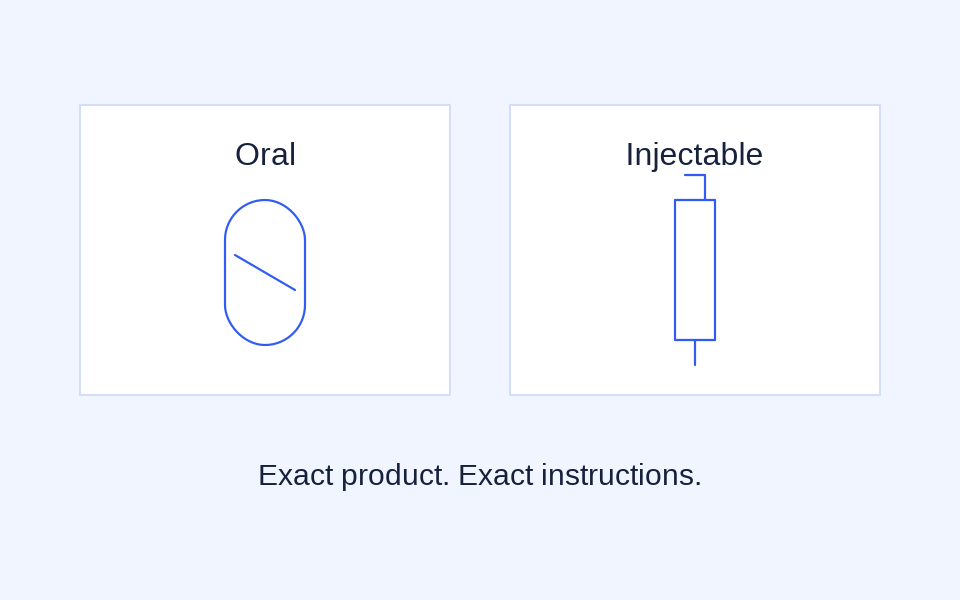
Ask what a cited paper actually tested. Keep the exact route central when comparing oral and injectable GLP-1 treatments with the product being advertised. Ask whether the evidence concerns the same finished product, the same way of using it and the outcome being advertised. A customer comment or an ingredient paper should prompt a different question from a study that actually tested the purchased product.
| Evidence offered | Question to ask | What still needs an answer |
|---|---|---|
| A website listing | What did researchers record from the seller’s page? | Was the material inside the finished product tested? |
| An ingredient study | Was this the same product and application route? | What supports the result claimed for this patch or booster? |
| A human product study | Who used it, for how long and against what comparison? | Were the measured outcomes relevant to my question? |
Read an FDA letter at its actual scope
FDA’s March 31, 2026 letter to FormPour followed a December 2025 review of an eBay listing for “SMGT-GLT-1 Nano Microneedle Patch.” FDA identified that specific product as an unapproved new drug; the letter quoted diabetes and weight-loss claims. [2] Claims quoted in an enforcement letter are not verified clinical benefits.
Keep the named product, date and finding together. Do not read one named-product notice as a verdict on every current brand or as proof of what a seller supplies today. Keep the actual document being offered as support, rather than a cropped approval logo or a seller’s description of a letter.
A supplement label is not an approval
FDA describes dietary supplements as products that are ingested. It does not approve supplements for safety, effectiveness or labeling before they are sold. [3] If a seller describes a skin patch as a supplement, ask which product category and supporting documentation it means. “Natural” does not resolve that classification question.
For an oral “booster,” obtain the full ingredient list and actual quantities before discussing it. Treat “boosting GLP-1” as a claim that needs explaining: which effect, measured in whom and with which finished product? Keep that question separate from whether a familiar ingredient appears somewhere in the research.
Bring the product question to your care team
FDA advises discussing supplements with a health professional, warns that ingredients can interact with medicines, and says not to substitute a supplement for prescription medicine. [3] Bring the package, ingredient list and current medicines to that conversation. Ask about the actual product you plan to use, rather than assuming a whole category of “natural” products shares one answer.
Record unanswered questions in the visit journal before a routine appointment. Save a local copy or print what you want to bring. The journal keeps your notes; it does not send a question to a clinician or assess whether a product is appropriate.
Set a buying threshold before paying
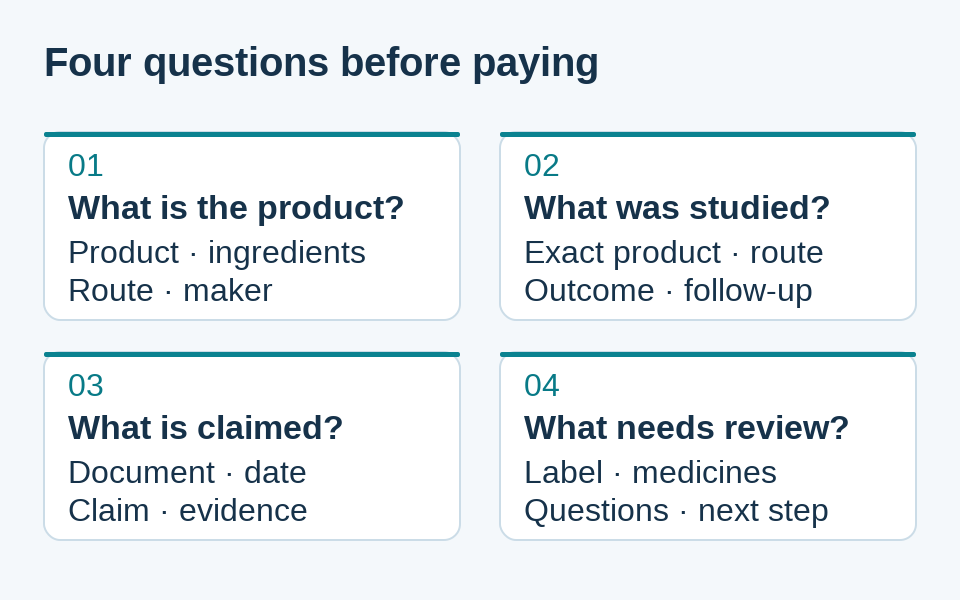
Request the full label, named manufacturer, product-specific evidence and written price, renewal, cancellation and refund terms. Keep those answers together. A money-back offer is a purchase condition; it cannot answer whether a product has been studied for the effect you want.
I would not judge a patch or booster by its GLP-1 slogan alone. Compare the exact product with the evidence actually offered, and keep unresolved questions visible before buying more units or combining products. The useful decision is whether you have enough relevant information to review that purchase with the professional responsible for your care.
Sources
Research describes groups and specific study conditions. Your medical history, symptoms and treatment decisions require advice from your own qualified clinician.