In this article
What to know
- STEP TEENS enrolled adolescents aged 12 to under 18.
- The main endpoint was percentage BMI change.
- The study does not establish lifelong outcomes or service eligibility.
The adolescent trial asks its own question
STEP TEENS found a substantially greater reduction in BMI with weekly injectable semaglutide than placebo in adolescents receiving lifestyle intervention. [1] It provides direct pediatric evidence rather than borrowing an adult weight-loss average. That distinction matters because adolescents are still growing and the clinical goals extend beyond a number on a scale. The study does not establish lifelong outcomes or make an adult-oriented online subscription an appropriate service for a teenager. Treatment belongs within age-appropriate clinical care, with the young person's health and participation at the center.
Who participated and what they received
The double-blind trial randomized 201 adolescents aged 12 to under 18 to semaglutide 2.4 mg by weekly injection or placebo for 68 weeks, alongside lifestyle intervention. All but one participant had obesity. Novo Nordisk funded the study. [1] Eligibility and exclusions shaped who entered, so the result cannot represent every adolescent seeking help.
The age range also matters. Evidence in adolescents is not automatically evidence in younger children, and a different age group requires its own data and current clinical assessment. A product's formulation matters just as much: the paper tested a specific injectable regimen, not a compounded lozenge or every product sharing the ingredient name.
BMI change is not the same number as weight change
Mean percentage change in BMI was −16.1% with semaglutide and +0.6% with placebo, an estimated difference of −16.7 percentage points. Gastrointestinal adverse events occurred in 62% and 42%, respectively, and cholelithiasis was reported in five semaglutide participants and none receiving placebo. [1] These results describe average benefit and observed harms within a finite trial.
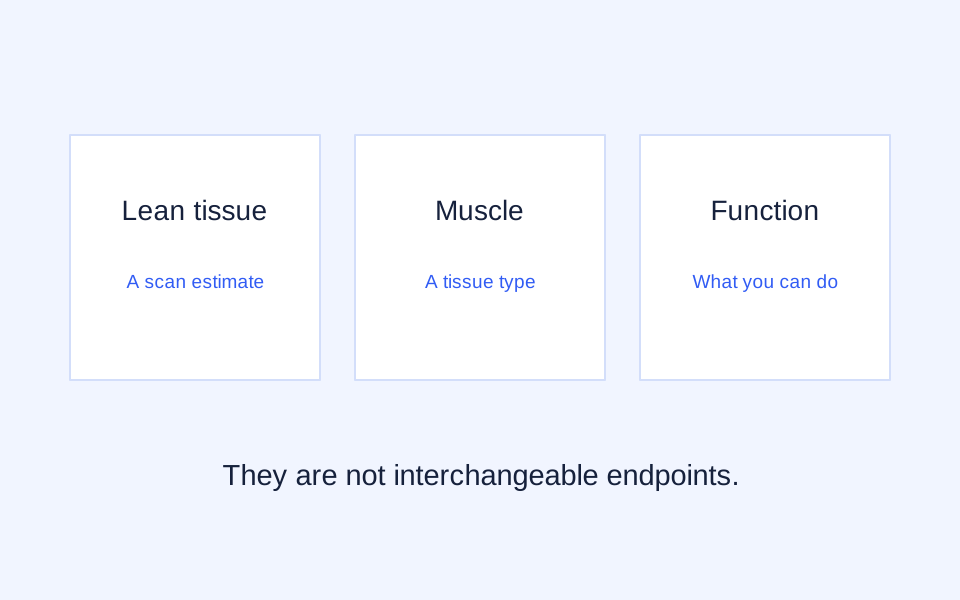
BMI incorporates both weight and height. A percentage change in BMI is therefore not interchangeable with the percentage body-weight change commonly quoted from adult studies. Using the correct label is essential, especially when a graphic places adolescent and adult results beside one another. A large difference remains meaningful without relabeling the endpoint.
For a separate adolescent trial of another medication, read Liraglutide in adolescents: benefit, tolerability and follow-up.
Another pediatric drug trial provides context, not a ranking
A separate randomized trial studied daily liraglutide 3.0 mg or placebo with lifestyle therapy in 251 adolescents with obesity and a poor response to lifestyle therapy alone. Its treatment period lasted 56 weeks with a further 26 weeks of follow-up. It found a greater reduction in BMI standard-deviation score with liraglutide. [2]
That score expresses BMI relative to an age- and sex-based reference, and it differs from the percentage BMI endpoint above. Different drugs, measures, eligibility and duration prevent a clean head-to-head conclusion. The existence of more than one adolescent trial is useful for a clinician discussing options; it does not authorize an arithmetic ranking built from unlike summary numbers.
Adult evidence is useful when its boundary stays visible
STEP 1 tested weekly injectable semaglutide in adults with overweight or obesity without diabetes over 68 weeks. [3] It is relevant background for understanding the medication's research history, but its population is not a substitute for STEP TEENS. A treatment can have evidence in both settings while the interpretation remains age-specific.
The practical questions also differ. Growth, family routines, school schedules and an adolescent's relationship with food deserve attention in care. A plan designed around adult purchasing preferences may not provide that context. Avoid making the service decision first and then looking for a study to justify it. Establish appropriate pediatric clinical support before comparing access routes.
A finite trial cannot settle decades of care
Sixty-eight weeks can demonstrate an important medium-term difference without answering every question about adulthood. Long-term continuation, future treatment changes and outcomes after stopping require further follow-up and individual reassessment. This is not a reason to dismiss the observed benefit. It is a reason to describe exactly how far the observation extends.
Similarly, the trial's adverse-event record cannot prove that an uncommon event will never occur. Discuss benefit, known risks, symptoms needing attention and how the care team will respond. A family should understand the follow-up plan without being asked to infer it from a trial table. The young person's own experience of treatment is part of that ongoing clinical conversation.
For a related perspective, read Lean mass during GLP-1 treatment: read beyond the headline. It addresses a different part of the same practical decision.
Use the result to improve the care discussion
Ask the pediatric clinician what outcome is appropriate to follow, how growth and nutrition will be considered and which supports are needed around treatment. Establish how concerns can be raised between visits and how the adolescent will participate in decisions. The useful goal is an understandable, supported plan rather than an attempt to reproduce the trial average.
For readers exploring our service reviews, remember that those reviews describe documented purchasing and care arrangements. They do not establish pediatric eligibility. An adult provider page should never be taken as evidence that the service accepts adolescents or offers the appropriate follow-up. STEP TEENS strengthens a specific clinical evidence base; it does not remove the need to choose the right setting for care.
When evaluating support, our Lean mass during GLP-1 treatment: read beyond the headline explains the service and commitment behind the offer.
Sources
Research describes groups and specific study conditions. Your medical history, symptoms and treatment decisions require advice from your own qualified clinician.