In this article
What to know
- Name the condition and exact product before comparing options.
- Read the actual label and monitoring plan with your clinician.
- A comparison is not a dose-conversion or switching instruction.
Start with the reason for treatment
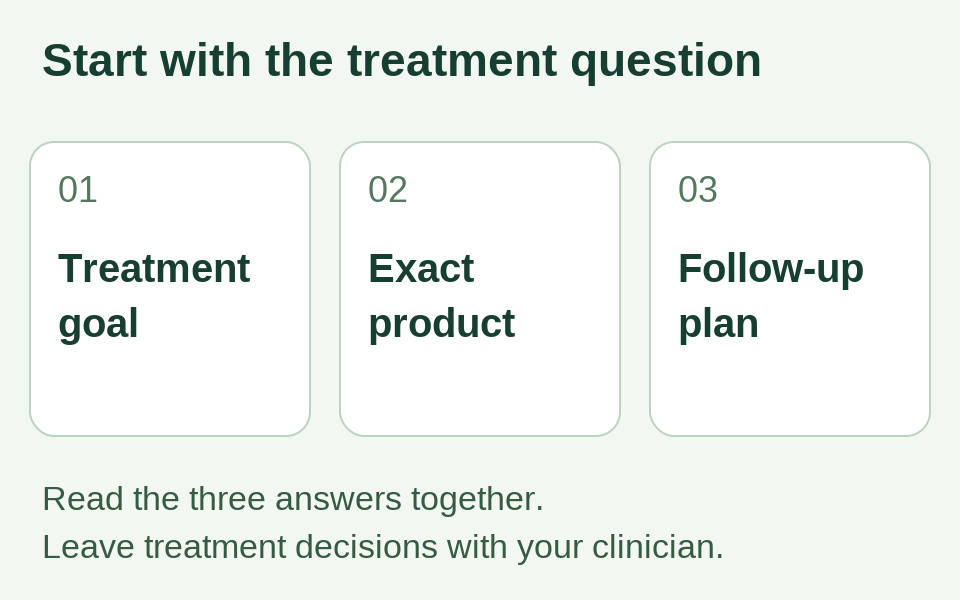
Metformin is a biguanide; semaglutide is a GLP-1 receptor agonist. [1] [2] They are not two names for one medicine. Before asking which is better, write down the condition being treated, the proposed product and what your clinician hopes to change. A question about blood sugar control is different from a question about a weight-management prescription.
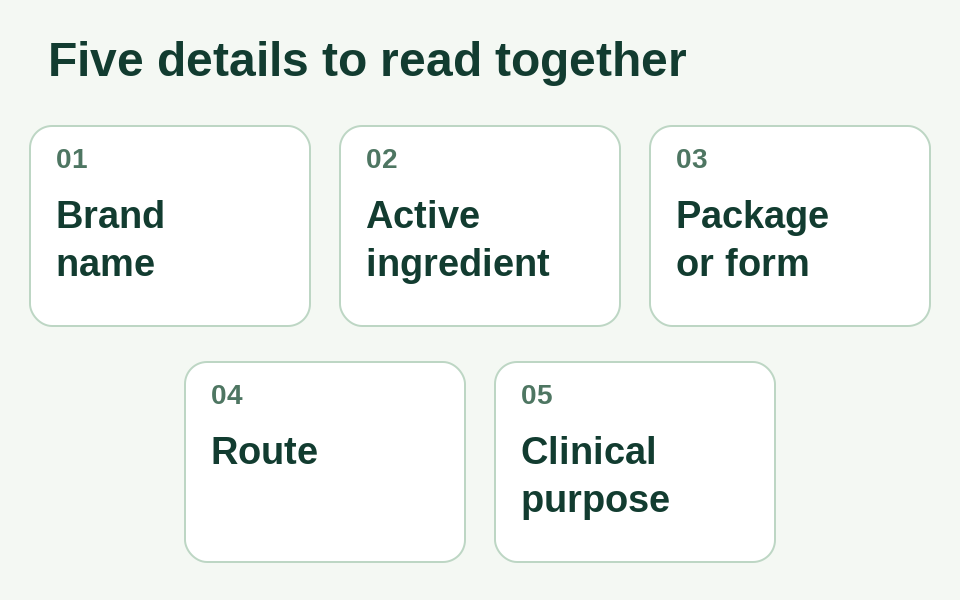
Use the medicine-name guide to keep the brand, ingredient, preparation and route together. Bring those details to the appointment rather than choosing from an ingredient name alone. The examples below select particular label uses, not every indication or suitable patient.
Compare the selected products
This table uses the September 2026 metformin-tablet label and the May 2026 Ozempic label. [1] [2] It is a product-identification aid, not a ranking or a treatment plan.
| Selected product | Class and route | One selected adult label use |
|---|---|---|
| Metformin hydrochloride tablets | Biguanide; by mouth. [1] | Improve blood sugar control with diet and exercise in type 2 diabetes. [1] |
| Ozempic (semaglutide) | GLP-1 receptor agonist; injection under the skin. [2] | Improve blood sugar control with diet and exercise in type 2 diabetes. [2] |
Keep weight-management products separate
The June 2026 Wegovy label includes weight reduction and long-term maintenance in adults with obesity, or overweight with a weight-related condition, alongside a reduced-calorie diet and increased physical activity. It covers semaglutide tablets and injections. [3] That does not turn every semaglutide preparation into the same prescription.
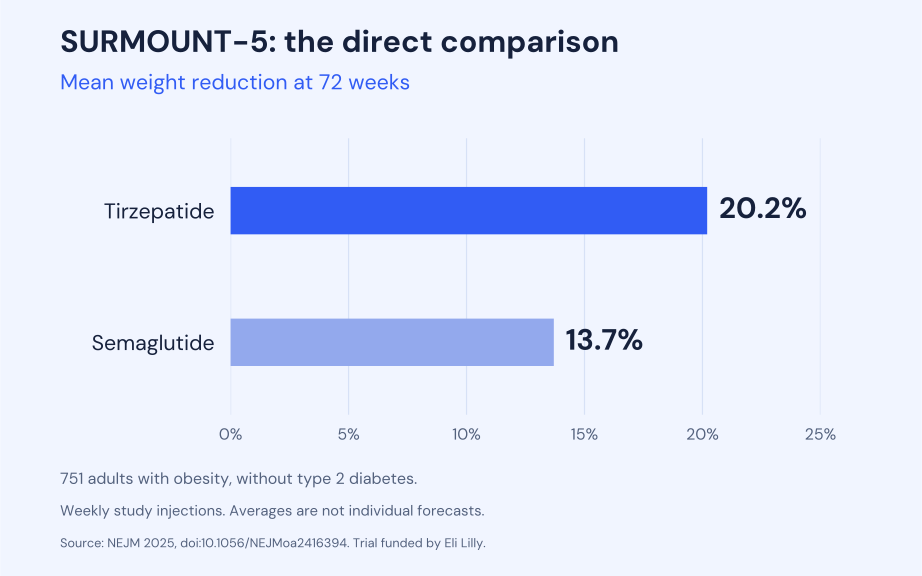
Ask which product and indication your clinician is considering. Do not use this table to convert doses, replace a medicine or borrow an outcome percentage from a different preparation. A matched question is more useful than a universal winner.
Bring the monitoring questions
The metformin label requires kidney-function assessment and warns about lactic acidosis, including risks involving kidney impairment and excessive alcohol intake. It also addresses vitamin B12 monitoring. [1] Tell the clinician about other medicines, alcohol use and planned procedures; ask which checks apply to your circumstances.
The retained Ozempic label carries a boxed thyroid C-cell-tumor warning: rodent tumors were observed, while human relevance remains unknown. It contraindicates use with a personal or family history of medullary thyroid carcinoma or MEN 2, and addresses pancreatitis, dehydration-related kidney injury and hypoglycemia with insulin or insulin secretagogues. [2] These are selected issues, not the complete safety information; review the actual product guide with your clinician.
Read comparisons in their treatment setting
The May 2026 Ozempic label describes studies of semaglutide alone and in combination with metformin in adults with type 2 diabetes. [2] A comparison need not be an instruction to stop one medicine and start another. Ask the prescriber whether the question is a replacement, an addition or a different treatment goal. Do not combine or discontinue medicines on the basis of this guide.
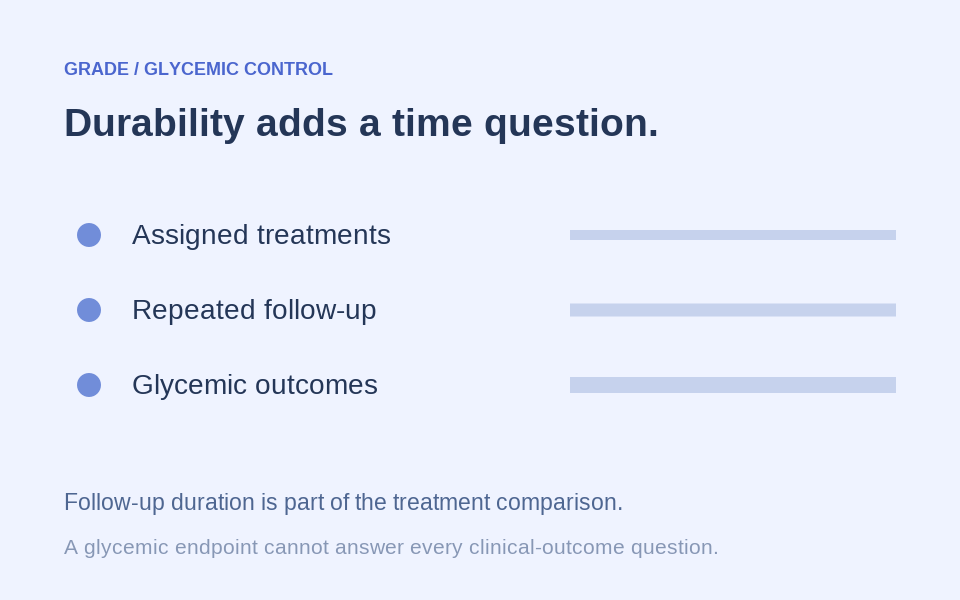
The GRADE trial guide explains a comparison of medicines added to background metformin. It should not be read as a head-to-head test of metformin against semaglutide. Identify the assigned medicines and background care before using a study to frame a question for your prescriber.
Keep the assigned treatments, background medicines and endpoint beside any study result. The treatment plan still needs to fit the person and the current prescription.
Leave with a specific plan for follow-up
Use the visit journal to record the agreed goal, unresolved product questions and who will review symptoms or results. Download or print your notes so the discussion is available when you need it. The journal keeps entries only while the page is open; it does not select a medicine.
Before filling a prescription, clarify the exact product, any monitoring arrangements, the next clinical contact and the full cost under your coverage or cash-payment arrangement. Those answers make the comparison usable without pretending that a single price or trial result settles every treatment decision.
Sources
Research describes groups and specific study conditions. Your medical history, symptoms and treatment decisions require advice from your own qualified clinician.